
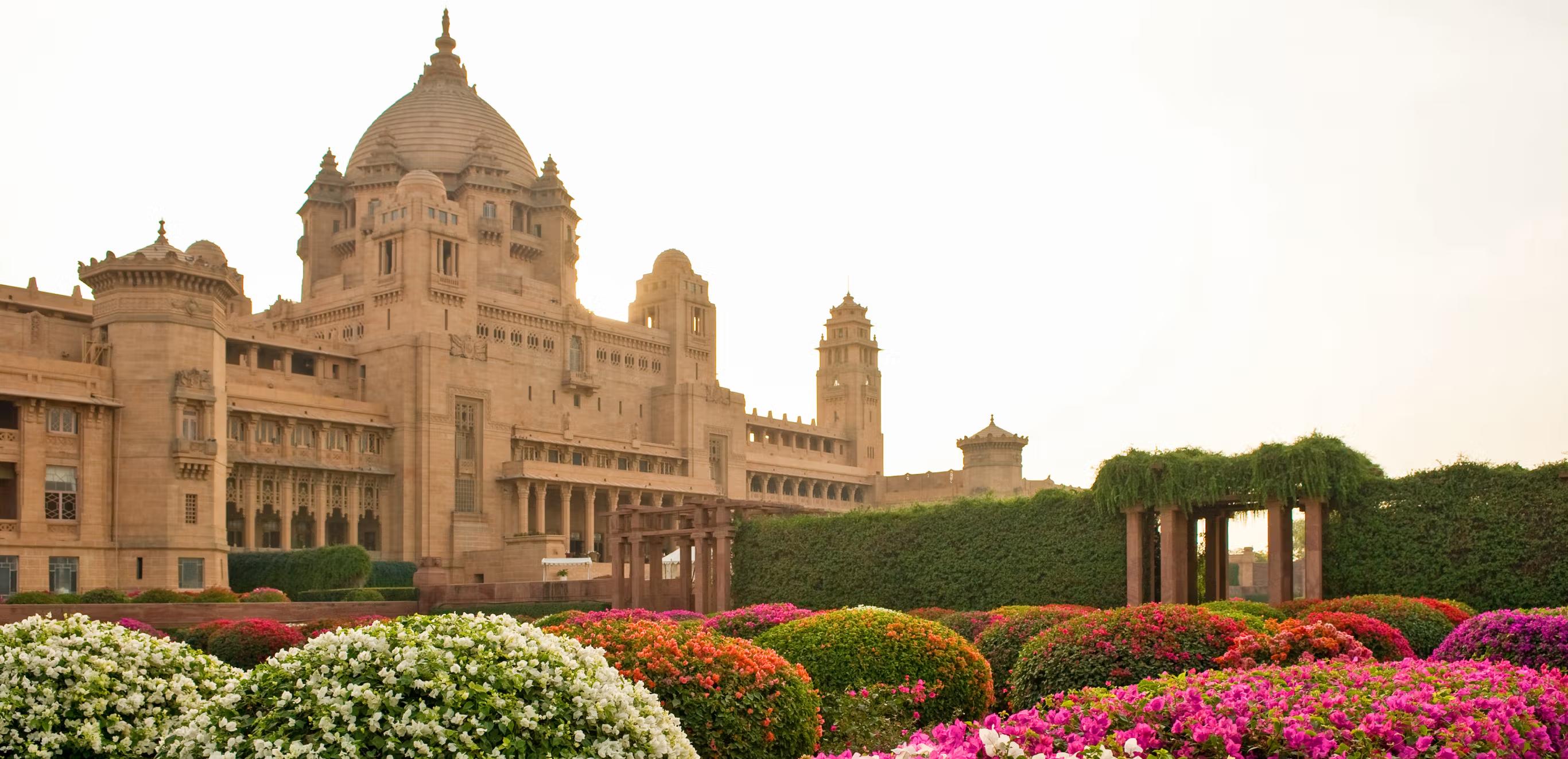
Crowned as the last great palace of India, Umaid Bhawan Palace stands as a magnificent testament to the vision of Maharaja Umaid Singh and the extraordinary skill of the artisans who brought his dream to life. With its sweeping Art Deco lines, golden sandstone facades, and 347 lavishly appointed rooms, this colossal palace remains one of the largest private residences in the world and continues to serve as a living symbol of Jodhpur's enduring royal legacy.
The story of Umaid Bhawan Palace is inseparable from one of the most devastating chapters in Jodhpur's history. In the early 1920s, the region of Marwar was struck by severe droughts and famines that brought unimaginable suffering. It was against this backdrop that Maharaja Umaid Singh conceived an extraordinary plan to provide relief to his starving subjects through the construction of a grand new palace.
The foundation stone was laid on 18 November 1929 by Maharaja Umaid Singh himself, and construction commenced under British architect Henry Vaughan Lanchester, who blended Art Deco geometric lines with traditional Rajput architecture. At the peak of construction, over three thousand artisans and laborers were employed, providing a lifeline to families who had lost everything to the drought.
Construction spanned fifteen years, from 1928 to 1943. No machinery was used; every block of stone was hand-cut using traditional techniques. The golden yellow sandstone was sourced from Makrana quarries, the same source as the Taj Mahal. The total cost was approximately eleven million rupees, and the finished palace was dedicated to the service and welfare of the people of Marwar.
Umaid Bhawan Palace is widely celebrated as one of the finest examples of Art Deco architecture in the world. Henry Vaughan Lanchester masterfully adapted Art Deco principles to the Indian context, creating a building that feels simultaneously modern and timeless. The central dome, rising 105 feet, serves as the palace's most distinctive feature, its graceful curve visible from miles across the Jodhpur skyline.
The palace's 347 rooms are distributed across multiple wings with meticulous attention to form and function. The grand banqueting hall with soaring ceilings and elaborate chandeliers, the throne room retaining original furnishings, and private royal suites with bespoke furniture and hand-painted ceilings all showcase the refined tastes of successive generations of the Rathore dynasty. The palace also housed remarkably modern amenities including a heated indoor swimming pool, squash court, billiards room, and a private cinema hall.
What makes the architecture extraordinary is the seamless way eastern and western traditions are woven together. While the overall form draws on Art Deco, the interiors incorporate traditional Rajput elements such as jharokha balconies, carved stone jali screens, and stylized lotus and peacock motifs. The expansive 26-acre gardens in classical Mughal charbagh style provide a lush setting complementing the architectural grandeur.
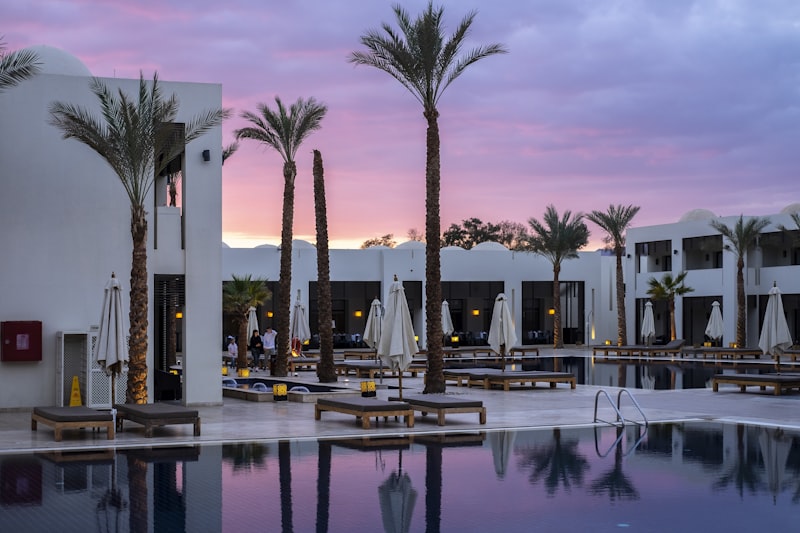
One wing of Umaid Bhawan Palace has been converted into a museum open to the public, offering visitors an unparalleled opportunity to explore the lifestyle and legacy of the Jodhpur royal family. The galleries are housed in the very rooms where the royal family once lived and entertained, preserving the authentic atmosphere and allowing visitors to experience the palace as a living home rather than a sterile exhibition space.
Among the museum's most celebrated exhibits is its extraordinary collection of vintage automobiles, widely regarded as one of the finest in India. Beautifully restored Rolls Royce models, elegant Bentleys, and other classic vehicles are displayed in settings that evoke the grandeur of their era. Equally fascinating is the palace's clock collection, including ornate timepieces custom-made for the royal family with elaborate cases of silver, porcelain, and enamel.
The museum's weapon galleries display swords, daggers, and firearms decorated with gold inlay and precious stones. The miniature painting gallery showcases Rajasthani miniatures depicting court life and mythological narratives. Original furniture from the royal apartments provides an intimate sense of daily life, while an extensive collection of archival photographs documents the royal family from the nineteenth century to the present day.
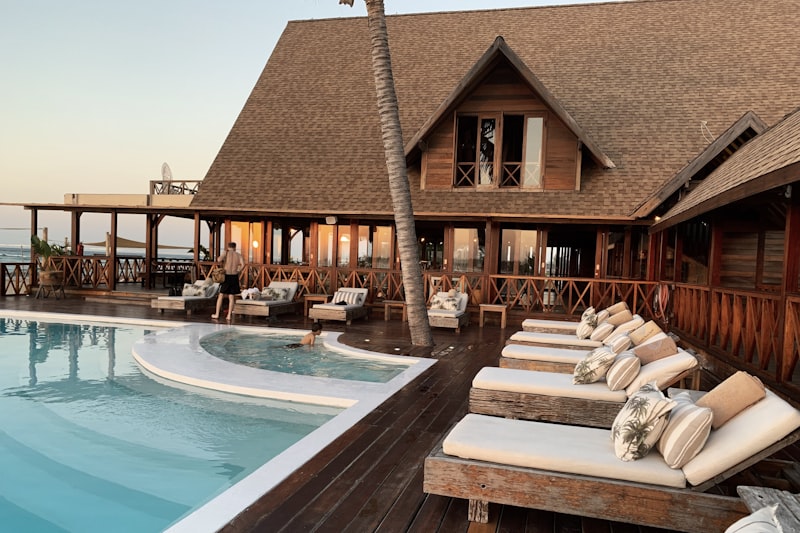
What truly distinguishes Umaid Bhawan Palace is that it remains a functioning, lived-in residence. One wing continues to serve as the private home of Maharaja Gaj Singh II and his family, making it one of the very few great palaces in India where the line of royal succession remains unbroken. This living connection gives the palace an authenticity and warmth that cannot be replicated in fully converted museums or hotels.
The palace's tripartite division is itself unique: one wing as the royal family's private residence, a second as the Taj Umaid Bhawan Palace Hotel since 1972, and the third housing the public museum. This remarkable arrangement means a single building simultaneously serves as a private home, a world-class hotel, and a public museum, an extraordinarily rare combination.
The Art Deco style is a rarity in India, where most grand palaces draw on Mughal or Rajput traditions. Despite its styling, the palace has never been significantly altered since completion in 1943, making it one of the best-preserved examples of Art Deco anywhere in the world. The beautifully maintained gardens provide a stunning contrast to the arid desert landscape, creating what many visitors describe as a mirage-like oasis of green and gold.
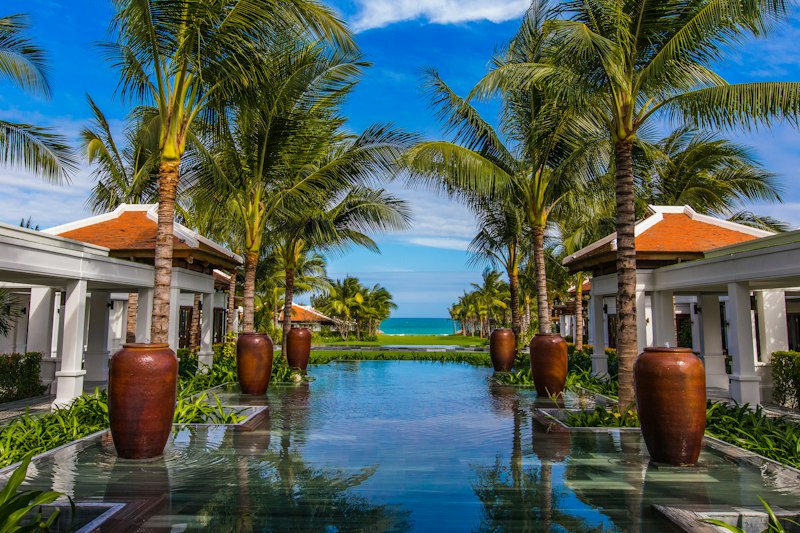
The Umaid Bhawan Palace Museum is open daily from 10:00 AM to 4:30 PM, with last entry at 4:00 PM. The entry fee for Indian nationals is approximately sixty rupees, while foreign visitors pay around three hundred rupees. The areas occupied by the private royal residence and the hotel are not accessible to general museum visitors.
The ideal time to visit is during winter months from October through March, when Jodhpur's weather is pleasantly cool and the palace's golden sandstone facades are bathed in warm light. Early morning hours tend to be the quietest and most enjoyable, with thinner crowds and inviting morning light within the galleries.
Reaching the palace from Vega by The Ozone Hotel is a short scenic drive of eight to ten minutes, roughly four kilometers. Our concierge can arrange comfortable transportation, combined tour packages with Mehrangarh Fort, and even afternoon tea at the Taj Umaid Bhawan Palace Hotel, subject to availability and advance reservation.
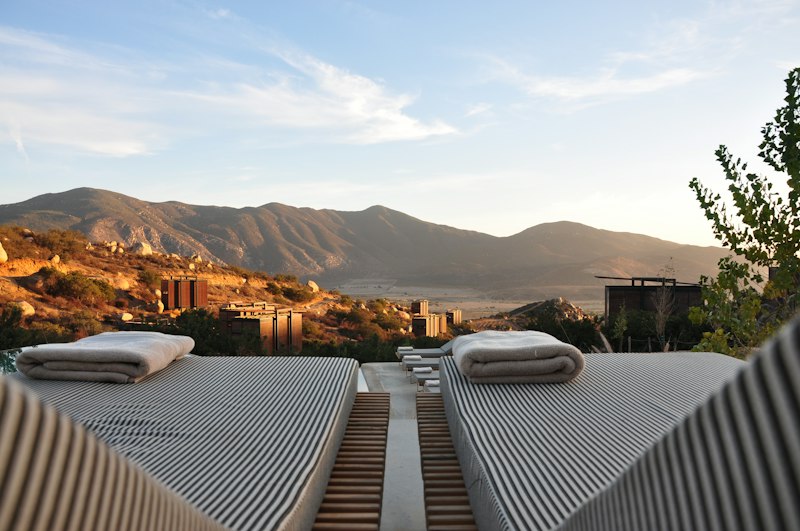
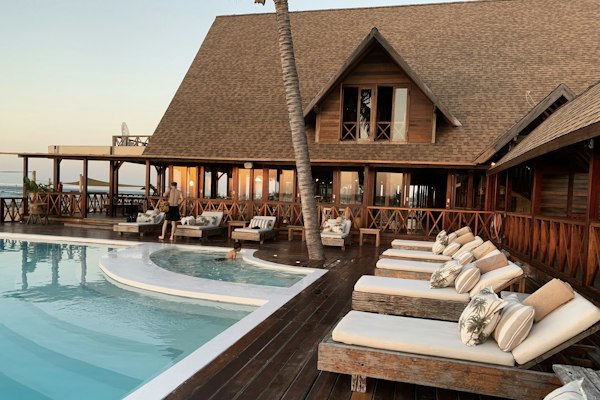
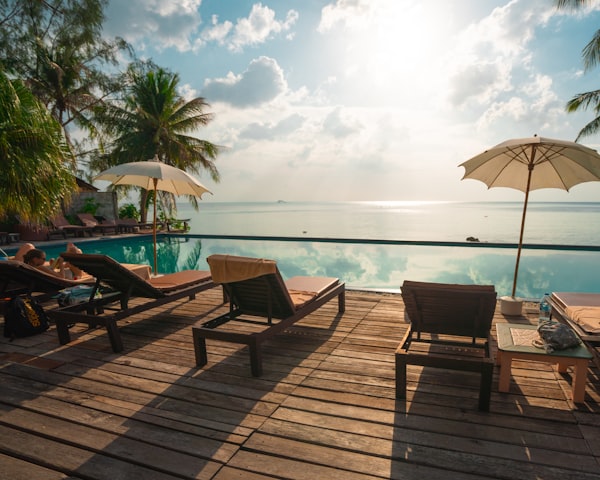
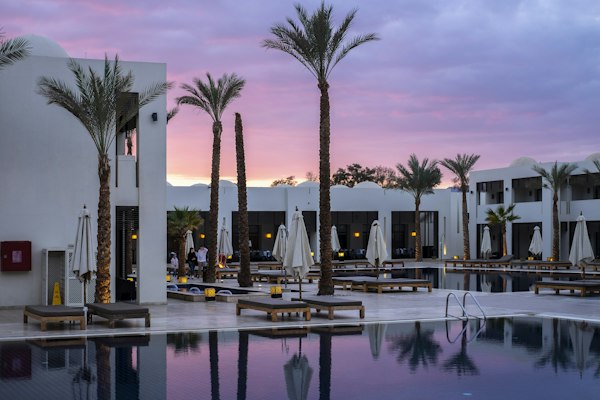
Stay at Vega and enjoy easy access to Umaid Bhawan Palace along with our curated heritage tour packages.
Book Your StayGet Insider Tips, Exclusive Member Offers & Travel Inspiration for Jodhpur delivered straight to your inbox.